Aimer G. Diaz

Passionate about integrating computational and experimental approaches to unravel the complexity of plant-virus interactions and regulatory networks.
View My Scholar Google Profile
Research experience & Publications
Papers on this page
- DENV, miRNAs and endothelial migration (2019)
- NBlockTester and small RNAs during DENV infection (2024)
- Anthocyanins and the siRNA pathway (2020)
- ProEnd and HbYX motifs (2024)
- Structural hypothesis for resistance to Fusarium avenaceum in red clover (2026)
- Scientific publications
Since the earliest steps of my education, I have been fascinated by basic research on virology and evolutionary biology, later in my career, I found out that the development and application of computational methodologies is of great help to answer questions on the intersection of these fields.
As a summary of my academic experience, during my master thesis in Dr. Clara Bermudez’s laboratory, I conducted computational analyses on small-RNAs dataset derived from multiple time-points of Dengue viral infected humans cell lines. In this project, I characterized Dengue-induce expression induction of miRNAs [1] and tRNA-derived fragments -a set of ncRNA molecules that required the development of new computational tools for their proper characterization. Specifically, I developed a bioinformatics tool called NBlockTester [2] to distinguish the expression of small RNAs from background noise in the ncRNA source.
DENV, miRNAs and endothelial migration
How might dengue infection alter the behavior of the cells that line small blood vessels? In our 2019 study, we combined small-RNA sequencing with measurements of secreted cytokines and growth factors in DENV2-infected HMEC-1 endothelial cells. Conditioned medium from infected cells increased the migration of uninfected endothelial cells at selected time points, linking the infected-cell environment to a measurable migratory response.
The miRNA analysis identified six candidates with distinct responses across 3, 12, 24 and 48 hours after infection. In the figure below, let-7d-5p, miR-485-3p and miR-98-5p show higher normalized counts in infected cells at 12–24 hours, while miR-27a-5p declines strongly over time. miR-320e and miR-4498 show different profiles, including lower counts in infected cells than in mock controls at 24 hours. These patterns highlight why both infection status and sampling time matter when interpreting small-RNA responses.
Analysis of the candidates’ known target interactions pointed to migration and vascular-development pathways. This supports a possible connection between miRNA regulation and endothelial responses, but does not establish that any individual miRNA caused the migration phenotype or vascular leakage in patients.
Read the publication · Read the full-text PDF
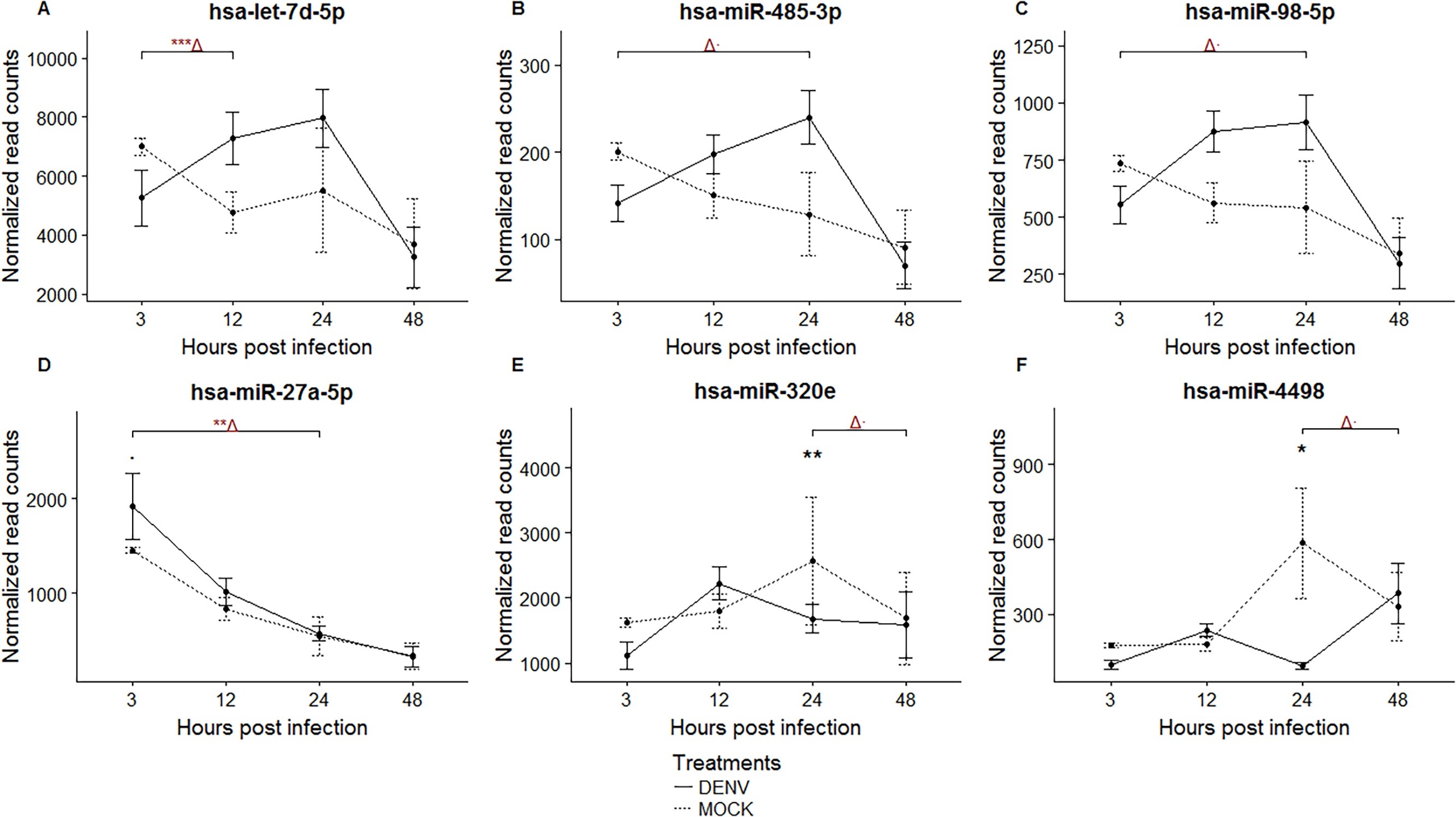
Six miRNA responses during DENV2 infection. Solid lines: DENV; dotted lines: mock controls. Panels A–F show let-7d-5p, miR-485-3p, miR-98-5p, miR-27a-5p, miR-320e and miR-4498. Figure 4 from Álvarez-Díaz et al., Virus Research (2019). See the paper for statistical contrasts and significance symbols. Click the figure to view full resolution.</figcaption> </figure>
NBlockTester and small RNAs during DENV infection
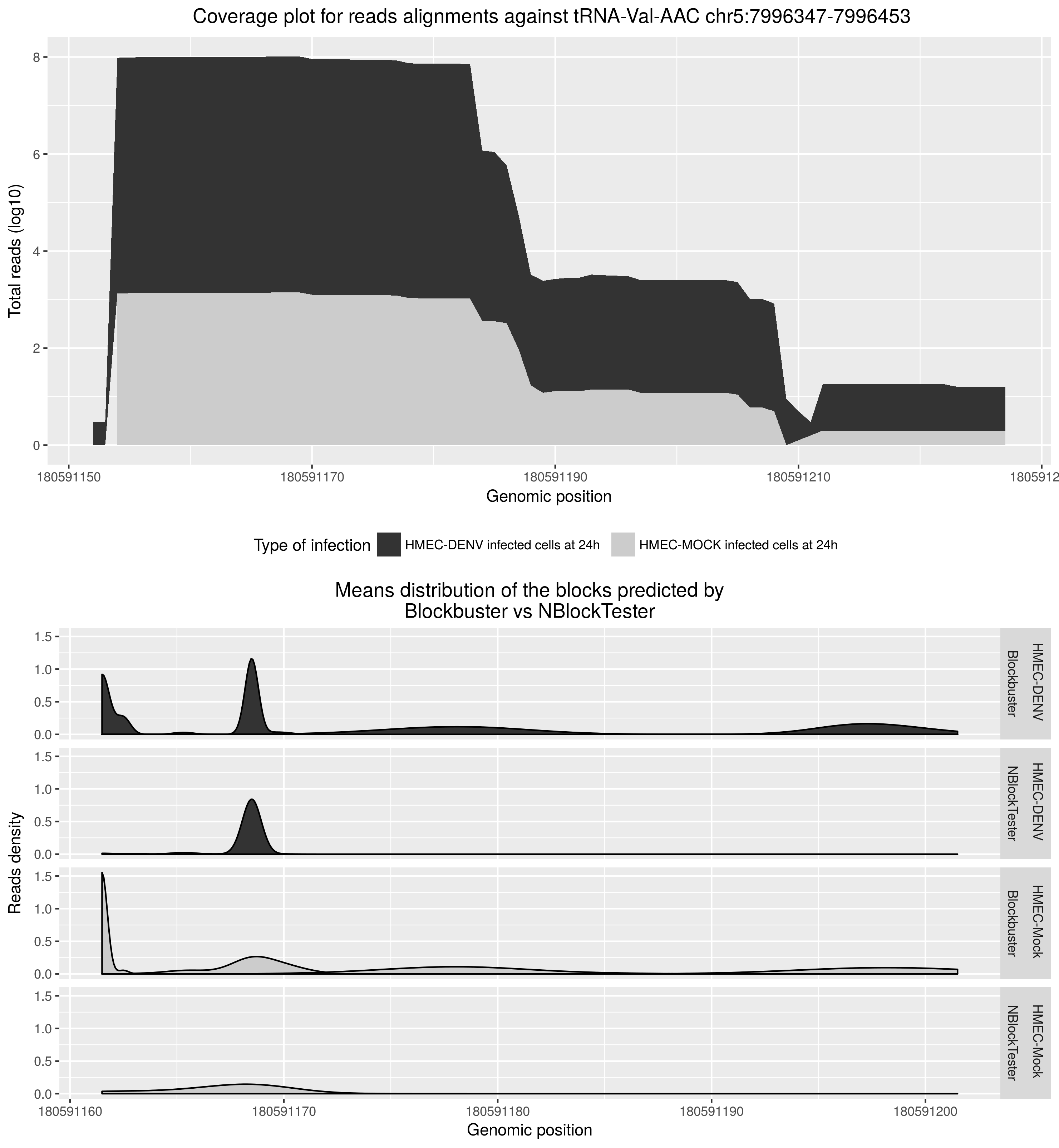
This work extended the analysis beyond canonical miRNAs to small fragments derived from other noncoding RNAs, addressing the challenges of repeated ncRNA genes and reads that map to multiple locations.
Read the publication · Explore NBlockTester
Anthocyanins and the siRNA pathway
More recently, before beginning my Ph.D. in Sweden, I had the opportunity to work as visiting research in two laboratories. First in the Dr. Erich Grotewold lab, I worked with transcriptomic and small RNA-seq data to characterize a synergistic effect driven by the interfering role of trans-acting small RNAs in the regulation of specialized metabolism genes in Arabidopsis thaliana [3]. My second visiting research experience was in Dr. Adami’s lab, where I investigated the evolutionary persistence of a unique type of small ncRNAs found in Trypanosome brucei mitochondria, called guide RNAs. These molecules not only play a role in RNA editing of mRNAs but may also function as a mutational robustness system that protects the mitochondrial genome during severe and periodic bottlenecks.
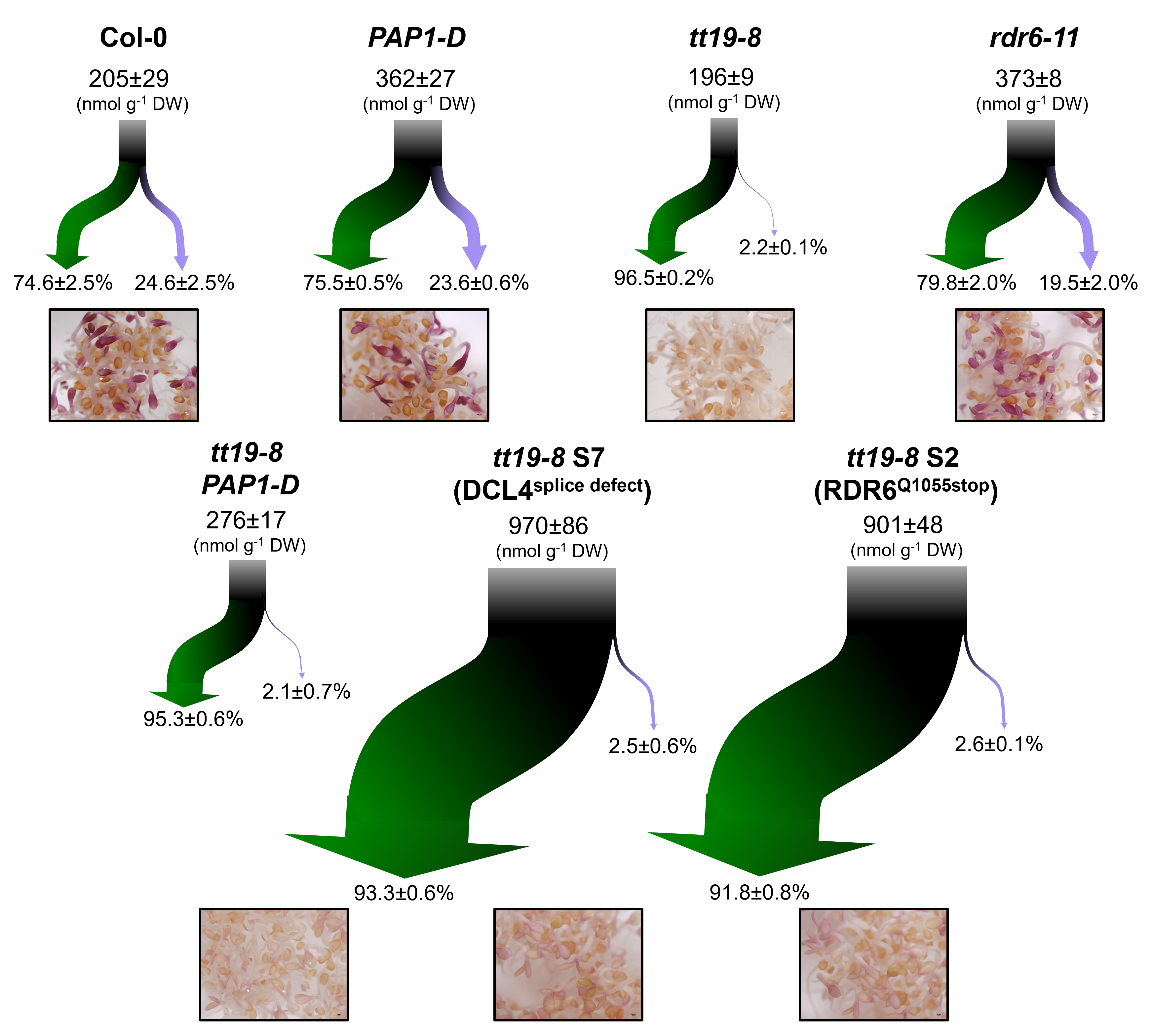
Click the figure to view full resolution.
Flavonoid flux maps displaying synergy effect between anthocyanin and RDR6/SGS3/DCL4 siRNA pathway
ProEnd and HbYX motifs
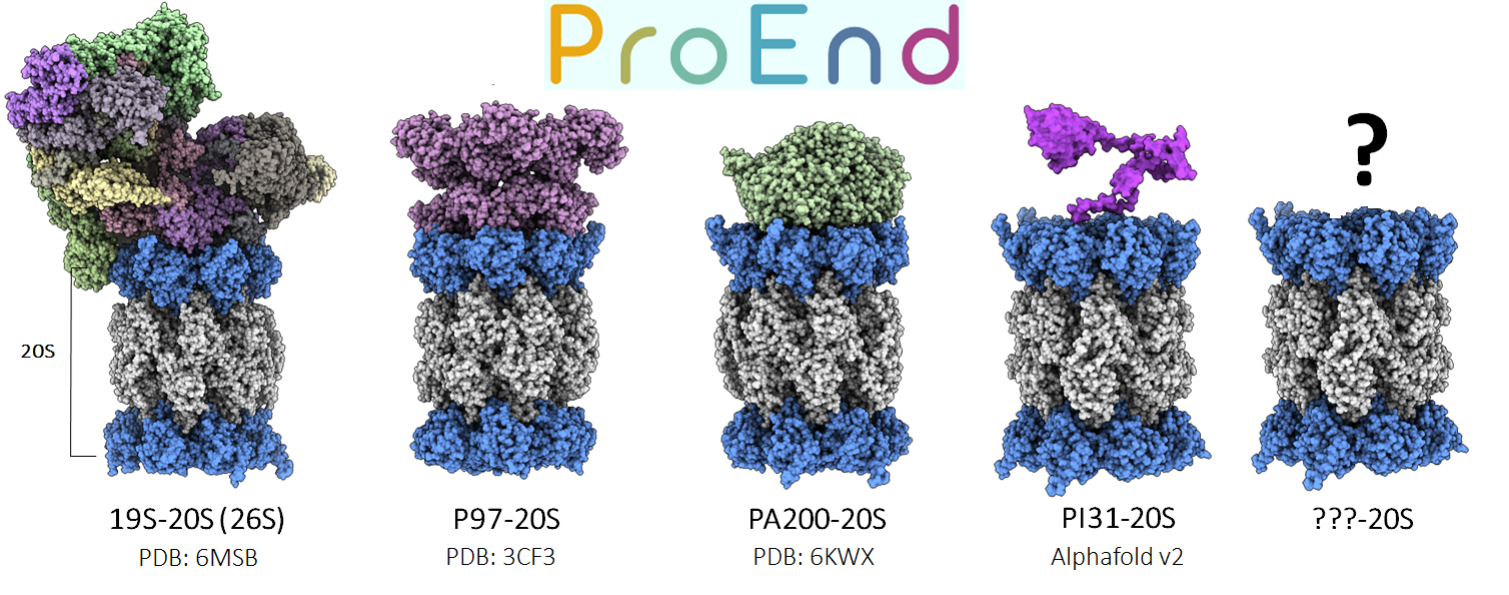
Lastly, In collaboration with David Salcedo at David Smith’s lab, I co-developed the ProEnd database, which analyzes HbYX motif-containing proteins across all life proteomes, of course including viruses [4]. Our work has focused on exploring the evolutionary and functional diversity of these motifs, particularly in relation to proteasome regulation. Through this collaboration, we have integrated bioinformatics approaches with experimental validation, identifying novel candidates that may expand the known roles of HbYX-like sequences.
Structural hypothesis for resistance to Fusarium avenaceum in red clover
Red clover is an important forage crop, but fungal diseases can damage its roots and reduce its survival. Our study investigates a protein, TpUGT89B1, that helps the plant Fabaceae plant to resist Fusarium avenaceum [5]. My contribution used computer models to explore how this protein might interact with small molecules, generating testable hypotheses about its potential role in glycosylation-mediated disease resistance. Co-author of the Research UDP-glycosyltransferase gene enhances resistance to Fusarium avenaceum in red clover
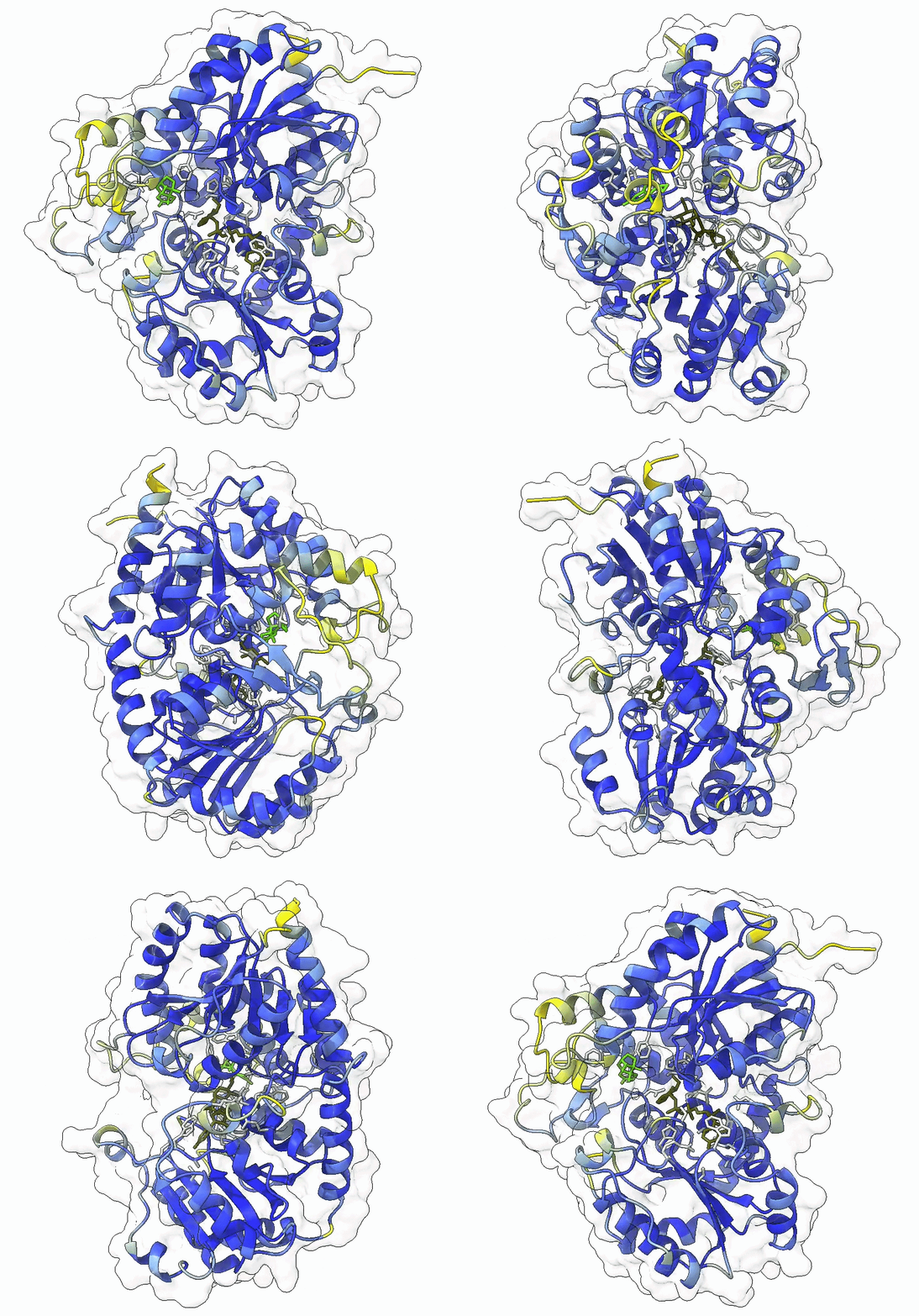
Click the figure to view full resolution.
UDP-glycosyltransferase from the Fabaceae Red clover (Trifolium pratense) in interaction with a fungal derived trichothecene
Scientific publications
1. Álvarez-Dı́az DA, Gutiérrez-Dı́az AA, Orozco-Garcı́a E, Puerta-González A, Bermúdez-Santana CI, Gallego-Gómez JC. Dengue virus potentially promotes migratory responses on endothelial cells by enhancing pro-migratory soluble factors and miRNAs. Virus research. 2019;259:68–76. https://doi.org/10.1016/j.virusres.2018.10.018.
2. Gutierrez-Diaz A, Hoffmann S, Gallego-Gómez JC, Bermudez-Santana CI. Systematic computational hunting for small RNAs derived from ncRNAs during dengue virus infection in endothelial HMEC-1 cells. Frontiers in Bioinformatics. 2024;4:1293412. https://doi.org/10.3389/fbinf.2024.1293412.
3. Jiang N, Gutierrez-Diaz A, Mukundi E, Lee YS, Meyers BC, Otegui MS, et al. Synergy between the anthocyanin and RDR6/SGS3/DCL4 siRNA pathways expose hidden features of arabidopsis carbon metabolism. Nature communications. 2020;11:2456. https://doi.org/10.1038/s41467-020-16289-3.
4. Salcedo-Tacuma D, Howells GD, McHose C, Gutierrez-Diaz A, Schupp J, Smith DM. ProEnd: A comprehensive database for identifying HbYX motif-containing proteins across the tree of life. BMC Genomics. 2024;25:951. https://doi.org/10.1186/s12864-024-10864-4.
5. Jambagi S, Gutierrez-Diaz A, Dixelius C. A UDP-glycosyltransferase gene enhances resistance to fusarium avenaceum in red clover. Research Square. 2026.